

2026 Hyundai Santa Fe 8-Speed Automatic Transmission: What Buyers Need to Know
If you’re cross-shopping the 2026 Santa Fe, there’s one change worth understanding before you sign anything: Hyundai swapped the previous dual-clutch transmission for a conventional 8-speed automatic. We field a lot of questions about this at our Columbia showroom, so here’s what changed, why Hyundai made the switch, and what it feels like once you’re behind the wheel. If you’d rather see it in person, you can always browse our new inventory or get in touch with Stivers Hyundai to set up a visit.
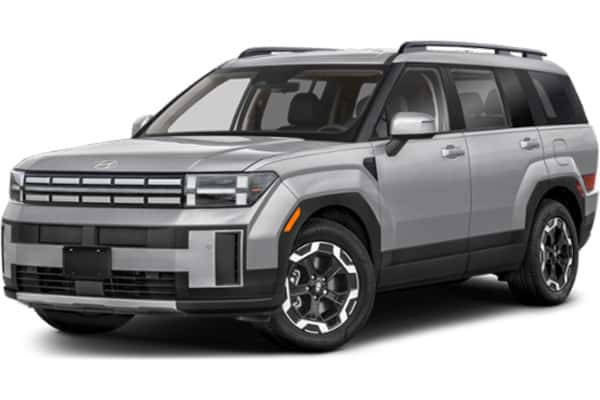
The 2026 Santa Fe’s New 8-Speed Automatic Transmission
For 2026, the Santa Fe transmission lineup drops the 8-speed wet dual-clutch transmission (a design that pre-selects gears using two oil-bathed clutch packs) that powered gas models in recent years. In its place, the 2.5T engine now pairs with a torque-converter-based 8-speed automatic, which uses fluid coupling rather than clutch packs to send power to the wheels. Hyundai says the torque-converter automatic became available during the Santa Fe’s development cycle and offered better overall drivability for the way Santa Fe owners drive.
Here’s how the 2026 Santa Fe transmission options break down by trim and powertrain:
| Trim/Powertrain | Drivetrain | Transmission Type | Horsepower/Torque | Fuel Economy (City/Hwy) | Towing Capacity |
|---|---|---|---|---|---|
| SE, SEL, Limited, Calligraphy (2.5T) | FWD standard/AWD available | 8-speed automatic | 277 hp / 311 lb-ft | 20/29 FWD, 20/28 AWD | Up to 3,500 lbs |
| XRT (2.5T) | AWD | 8-speed automatic | 277 hp / 311 lb-ft | 19/25 | 4,500 lbs |
| Hybrid (1.6T HEV) | FWD standard/AWD available | 6-speed automatic (A6MF2H-2) | 231 hp combined / 271 lb-ft | Varies by configuration | 1,650–2,000 lbs |
From Wet Dual-Clutch to Conventional Automatic: How They Differ
Both designs count as automatics since you never touch a clutch pedal, but they behave quite differently, especially at low speed.
How the Previous 8-Speed DCT Operated
The outgoing 8-speed wet dual-clutch transmission ran its clutch packs in an oil bath, a design Hyundai adopted to improve heat management and shift smoothness over dry-clutch systems. That design allowed quick, efficient shifts once you were moving, which is why dual-clutch transmissions show up so often in performance-oriented vehicles. The tradeoff showed up at low speed, where creeping through traffic or a parking lot could feel hesitant or jerky.
How the New 8-Speed Automatic Operates
The new automatic uses a multi-disc, hydraulic-channel design built around a torque converter rather than dual clutches. Hyundai’s 8-speed automatic uses a downsized oil pump and double ball bearings to cut friction loss, and it extends the ratio range at both the top and bottom of the gearbox. In practice, that means smoother power delivery from a standstill and more relaxed cruising at highway speeds, since the transmission has more usable gears to draw from on either end.
Gas vs. Hybrid: Matching Transmissions to Powertrains
The 2026 Santa Fe transmission setup isn’t one-size-fits-all, so trim selection matters here. Know which powertrain you’re choosing before you fall for a specific transmission characteristic.
8-Speed Automatic on Gas-Powered Santa Fe Models
Gas-powered Santa Fe models across the SE, SEL, Limited, XRT, and Calligraphy trims run the 2.5L turbo-four rated at 277 horsepower and 311 lb-ft of torque, paired with the new 8-speed automatic. SHIFTRONIC® paddle shifters (which allow manual-style gear selection) and Shift-By-Wire come standard. The XRT trim is built for light off-road use, with HTRAC all-wheel drive, all-terrain tires, and additional ground clearance.
6-Speed Automatic with SHIFTRONIC on the Santa Fe Hybrid
The Santa Fe Hybrid takes a different path. Its 1.6L turbo-four and electric motor combine for 231 horsepower and 271 lb-ft, routed through a 6-speed automatic (transmission code A6MF2H-2), also equipped with SHIFTRONIC and Shift-By-Wire. That’s fewer gears than the gas models, but the electric motor fills in torque delivery differently, so the hybrid doesn’t need as many ratios to stay efficient. Buyers picking between a gas Santa Fe and the hybrid should weigh this difference carefully when deciding.
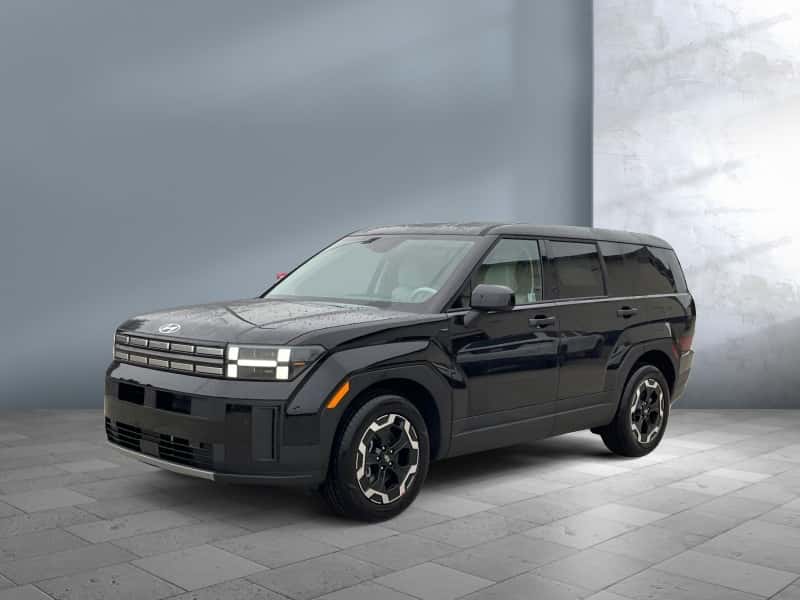
What the Change Means for Everyday Driving
Specs on paper only tell part of the story. What matters is how the Santa Fe 8-speed automatic transmission feels once you’re driving it around Columbia, SC, whether that’s downtown traffic or I-77.
Smoothness and Comfort at Low Speeds
This is where the shift away from the dual-clutch design shows up most. Torque converters are smoother at crawling speeds because they transmit power through fluid rather than mechanically clamping and releasing clutches to get the car moving. U.S. News tested the new transmission over 800 miles and reported it “never missed a beat,” describing shifts as smooth and prompt throughout that stretch.
Acceleration, Towing, and Highway Performance
Towing capacity varies by configuration: XRT tops out at 4,500 lbs, other gas trims max at 3,500 lbs, and the Hybrid ranges from 1,650 to 2,000 lbs depending on setup. The extended gear range on the new 8-speed automatic helps power delivery stay steady under load, which matters if you’re planning to tow a trailer or boat. On the highway, the added top-end ratio keeps the engine relaxed at cruising speed, which should help with long-distance comfort.
Does the New Transmission Improve Reliability and Fuel Economy
The 2024 Santa Fe was subject to a recall affecting more than 12,000 units tied to a DCT-related roll-away software issue, with an estimated defect rate near 100 percent. That was a specific, documented problem with that model year’s dual-clutch transmission, and it doesn’t reflect on Hyundai transmissions as a whole. Moving to a torque-converter automatic with a downsized oil pump and double ball bearings is Hyundai’s engineering response, aimed at the kind of low-speed control issues that dual-clutch systems can struggle with.
We’re not going to promise this transmission is problem-free. No transmission comes with that guarantee, and we won’t pretend otherwise. What we can point to is Hyundai’s stated rationale and the mechanical differences behind it. On fuel economy, independent testing shows the new automatic lands nearly identical to the outgoing DCT-equipped Santa Fe, with XRT AWD models coming in about 1 mpg lower than the prior year. Call it a wash rather than a leap forward, and we think buyers deserve that straight answer rather than marketing spin. Hyundai frames drivability as the reason for the switch, which is a separate claim from promising better long-term reliability, and it’s worth keeping those two things apart when you’re weighing the decision.
Warranty Coverage
Hyundai backs its vehicles with a 5-year/60,000-mile basic warranty, a 10-year/100,000-mile powertrain warranty, and three years of complimentary scheduled maintenance. Warranty terms come from Hyundai directly, not from our dealership, but they’re worth factoring into your decision regardless of which transmission you choose.
Questions to Ask at the Dealership Before Buying
A few things are worth confirming before you sign:
-
Confirm which transmission comes with your specific trim, since gas and hybrid Santa Fe models differ.
-
Ask about towing package compatibility if you plan to tow near the trim’s max rating.
-
Ask about maintenance history and fluid service intervals for the specific unit you’re considering.
-
Clarify what’s covered under Hyundai’s manufacturer warranty versus optional service plans.
If questions come up about maintenance schedules or fluid intervals, our Columbia service team can walk you through what Hyundai recommends, or you can explore service options directly.
What This Means for Buyers
Here’s what the transmission change means if you’re shopping the 2026 Santa Fe:
-
The 2026 Santa Fe transmission line drops the DCT in favor of an 8-speed torque-converter automatic on gas models.
-
The Hybrid keeps its own 6-speed automatic with SHIFTRONIC, a key distinction when choosing a trim.
-
Fuel economy stays about the same as the outgoing DCT, no real gain either way.
-
Hyundai’s reasoning centers on drivability, which isn’t the same as a reliability promise.
Experience the 2026 Santa Fe’s Transmission at Stivers Hyundai
The best way to feel the difference is behind the wheel. Come take a 2026 Santa Fe for a spin around Columbia, and our team can answer any trim-specific questions along the way.
Explore financing options or contact our team to schedule your test drive today.
0 comment(s) so far on 2026 Hyundai Santa Fe 8-Speed Automatic Transmission: What Buyers Need to Know